Pakistan’s Cashless Momentum: What It Means for Retailers and Restaurants
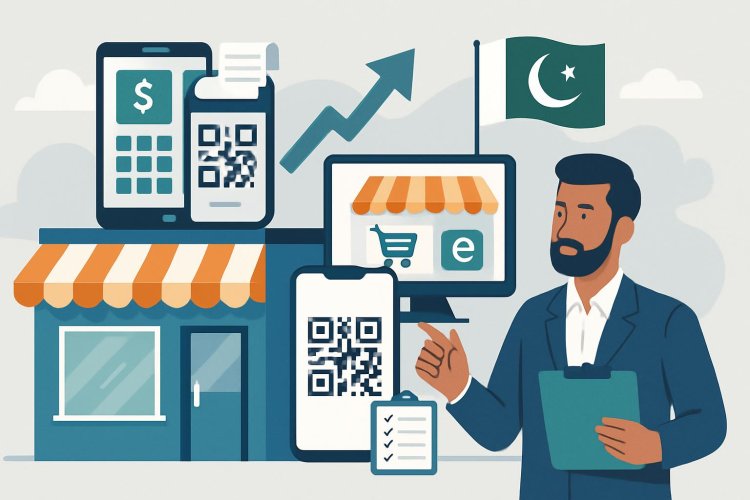
Pakistan’s digital payments landscape is accelerating, with QR-based merchant adoption and FBR POS integration surging. This article explores how these trends impact small and medium retailers and restaurants—and how cloud POS systems like CloudPOS help businesses thrive in this evolving environment.
In this article
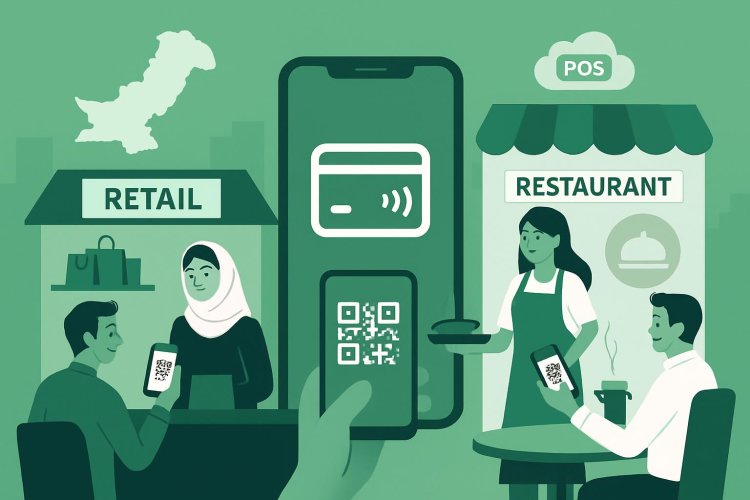
Pakistan is rapidly moving toward a cashless future—and that’s good news for retailers and restaurant operators. With digital payments becoming the norm, small and medium businesses must adapt to stay competitive and compliant. Here's what’s happening now, and how modern cloud-based POS systems like CloudPOS can help you navigate this shift.
1. Digital Payments Are Now the Default
Recent data from the State Bank of Pakistan shows that during Q2 of FY26 (October–December 2025), digital channels accounted for 92% of retail payment volume—up from 88% a year earlier. In value terms, digital payments rose to 38% of total retail transaction value ([sbp.org.pk](https://www.sbp.org.pk/psd/pdf/PS-Review-Q2FY26.pdf?utm_source=openai)).
This trend continued into early 2026: from January to March, digital payment volume reached 3.7 billion transactions worth PKR 168.8 trillion, with QR-based merchant payments growing 41% in volume and 63% in value ([dawn.com](https://www.dawn.com/news/amp/2010873?utm_source=openai)).
What this means for your business: Customers increasingly expect to pay via mobile wallets, apps, and QR codes. If your POS system doesn’t support these, you risk losing sales—and falling behind competitors who do.
2. QR Payments and Cashless Pakistan Drive Merchant Adoption
Under the government’s “Cashless Pakistan” initiative, active merchants accepting digital payments surged from 0.5 million to over 2 million between June 2025 and mid‑2026—a 300% increase ([pid.gov.pk](https://pid.gov.pk/site/press_detail/33169?utm_source=openai)).
This growth has been fueled by awareness campaigns, Raast QR code adoption, and mandates for digital remittances and government disbursements ([geo.tv](https://www.geo.tv/latest/673010-cashless-economy-pm-orders-all-overseas-remittances-to-be-processed-digitally?utm_source=openai)).
Why it matters: As more businesses and customers embrace QR payments, having a POS that generates and reconciles QR codes automatically becomes essential—not just for convenience, but for compliance and efficiency.
3. FBR POS Integration Expands—Even for Small Traders
The Federal Board of Revenue (FBR) has integrated 17,337 large retailers into its POS system by August 2026—a 31% increase over the previous year ([lhrtimes.com](https://www.lhrtimes.com/2026/08/31/fbrs-pos-network-crosses-17300-retailers-as-integration-jumps-31/?utm_source=openai)).
These POS systems issue electronic bills that are simultaneously sent to the FBR, reducing the opportunity for underreporting sales. The FBR collected PKR 871 million from POS receipts in the last financial year, up 17% year-over-year ([lhrtimes.com](https://www.lhrtimes.com/2026/08/31/fbrs-pos-network-crosses-17300-retailers-as-integration-jumps-31/?utm_source=openai)).
Meanwhile, a new scheme allows small traders to report up to PKR 200 million in annual sales at a flat 1% tax rate—making POS adoption more accessible ([lhrtimes.com](https://www.lhrtimes.com/2026/08/31/fbrs-pos-network-crosses-17300-retailers-as-integration-jumps-31/?utm_source=openai)).
Implications for your business: Even if you’re a small trader, integrating a compliant POS system can simplify tax reporting and help you benefit from favorable thresholds. Cloud-based POS systems make this easier with automatic invoicing and real-time submission.
4. What Modern Cloud POS Systems Bring to the Table
- Offline-first reliability: Pakistan’s internet can be unpredictable. Cloud POS systems like CloudPOS store transactions locally and sync when connectivity returns—so your business keeps running uninterrupted.
- Multi-payment support: Accept cash, cards, mobile wallets, and QR payments in one seamless transaction—no juggling multiple systems.
- Real-time dashboards: Track sales, inventory, and customer behavior across branches from any device. No more manual cash-ups or guesswork.
- Compliance-ready invoicing: Generate FBR-compliant e-invoices and submit them automatically, reducing errors and audit risk.
- Scalable for growth: Whether you run a single café or multiple outlets, cloud POS systems scale with you—no hardware overhaul needed.
5. Practical Steps for SMBs in Pakistan
- Assess your current POS capabilities. Does it support QR, wallets, offline mode, and FBR integration? If not, it’s time to upgrade.
- Prioritize cloud-based solutions. They offer flexibility, real-time data, and easier compliance—especially useful during tax season or audits.
- Train your staff. Make sure they know how to use QR payments, generate digital invoices, and handle offline syncing.
- Monitor performance. Use built-in analytics to track best-selling items, peak hours, and branch performance—then adjust inventory and staffing accordingly.
- Stay informed. Keep an eye on government initiatives like Cashless Pakistan and FBR POS mandates. Your POS partner should help you stay compliant as policies evolve.
Conclusion
Pakistan’s shift toward a cashless economy is not just a policy goal—it’s a reality unfolding now. With digital payments dominating retail transactions, QR adoption soaring, and FBR mandating POS integration, small and medium businesses must adapt or risk falling behind.
Cloud-based POS systems like CloudPOS offer the tools to thrive in this new landscape—combining reliability, compliance, and real-time insights in a single platform. For retailers and restaurant operators across Pakistan, embracing modern POS technology is no longer optional—it’s essential.
“Digital payment channels are becoming increasingly embedded in Pakistan’s financial ecosystem, reshaping the way individuals and businesses initiate, receive and manage payments.”
— State Bank of Pakistan, Q2 FY26 Payments Review ([dawn.com](https://www.dawn.com/news/amp/2010873?utm_source=openai))